Fuelling Viksit Bharat: Building Efficiency into Every Litre
Aditi Walunj

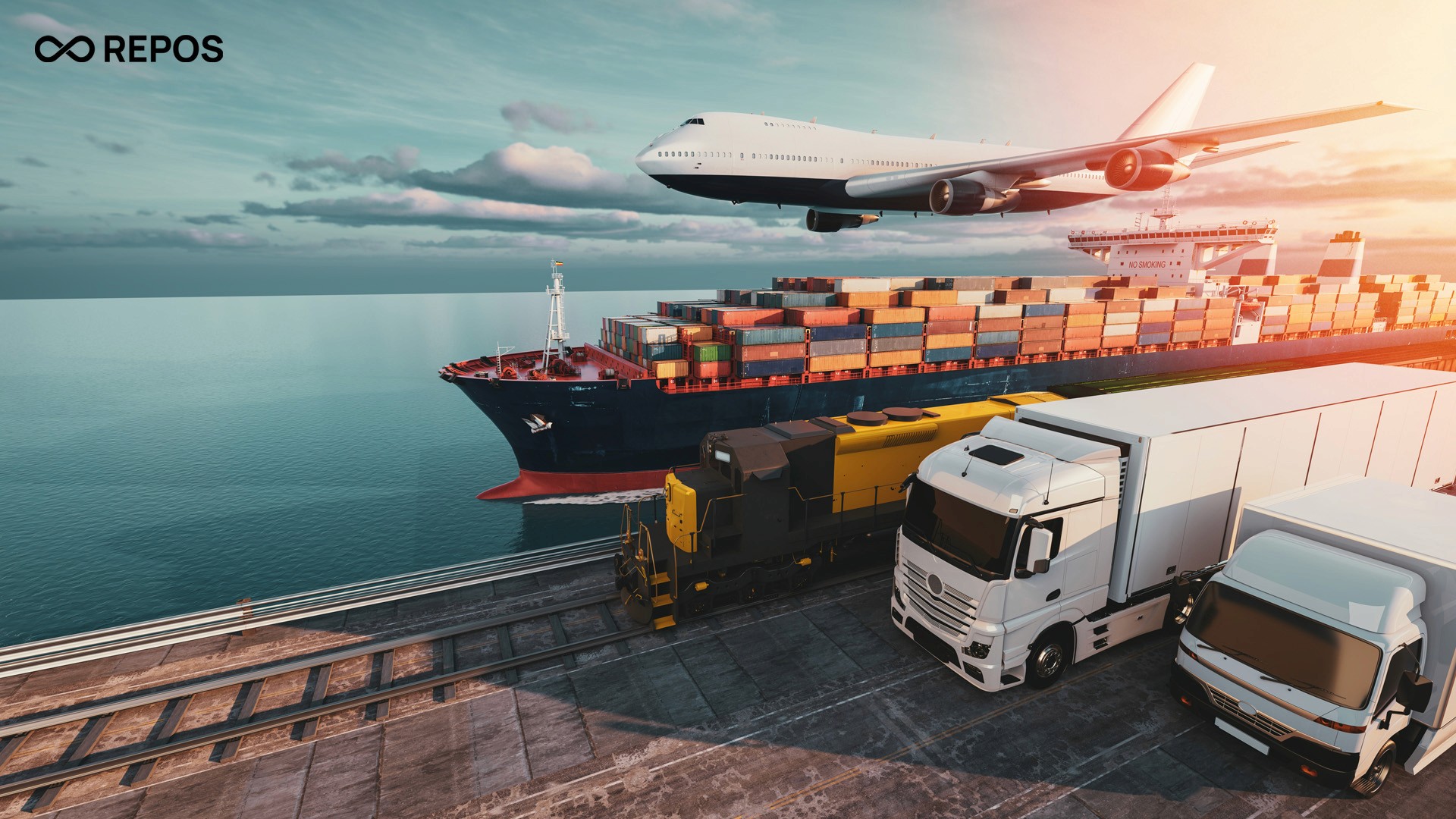
India is building towards the ambition of becoming Viksit Bharat by 2047. At the heart of this ambition lies the ability to move goods, build infrastructure, manufacture at scale and create reliable supply chains across the country. Logistics, therefore, is not merely a supporting industry. It is an economic backbone connecting farms to markets, factories to consumers, ports to production centres and businesses to the rest of India.
Recognising this, the Government of India introduced the National Logistics Policy to create a more efficient, technology enabled and integrated logistics ecosystem. This direction has started showing measurable progress. The latest DPIIT and NCAER assessment estimates India’s logistics cost at ₹24.01 lakh crore in 2023–24, equivalent to 7.97% of GDP. Transportation alone accounts for 59.1% of total logistics cost.
The next phase of efficiency will therefore depend not only on building better highways, freight corridors and logistics infrastructure, but also on improving how the resources running this infrastructure are managed.
One of the most important among them is fuel.
Diesel Still Powers a Large Part of India’s Economy
India consumed approximately 243 million metric tonnes of petroleum products in FY2025–26. Diesel accounted for approximately 95 million metric tonnes, making up close to 39% of India’s total petroleum product consumption and remaining the country’s largest consumed petroleum fuel.
Its significance becomes clearer when we look at where it is consumed.
Diesel powers trucks carrying goods across highways, buses moving people between cities, construction equipment building roads and infrastructure, mining equipment extracting raw materials, agricultural machinery supporting farms and generators providing backup power to factories, hospitals, hotels, commercial buildings and data centres.
PPAC’s sectoral assessment shows that road transport alone accounts for approximately 79% of diesel consumption. This makes diesel deeply interconnected with the cost and productivity of moving India.
From Buying Diesel to Managing Diesel
For a business, however, fuel consumption does not begin and end at a fuel station
A logistics operator may operate hundreds of vehicles. A construction company may have excavators, cranes and generators spread across multiple sites. A manufacturing facility may store thousands of litres for equipment and backup power. In each case, fuel goes through a journey.
It is procured, transported, stored, dispensed, authorised, consumed, paid for and eventually reconciled.
Today, these activities often operate through different systems and, in many cases, manual processes. Procurement records may sit with one team, storage with another, dispensing may be recorded manually at site, payments may operate independently and actual asset level consumption may only be reconciled later.
This fragmentation creates room for inefficiency through unnecessary fuel movement, idling, pilferage, spillage, inaccurate dispensing, unauthorised consumption and limited visibility into where every litre is ultimately consumed.
The question, therefore, is no longer only, “What price are we buying diesel at?”
It is also, “Do we know what happens to every litre after we buy it?”
Total Fuel Management as the Next Efficiency Layer
This is where Total Fuel Management can become relevant to India’s larger logistics efficiency agenda.
Total Fuel Management brings procurement, compliant storage, controlled dispensing, authorisation, payments and fuel intelligence into one connected operating framework. Instead of managing fuel as a series of transactions, businesses can manage its complete lifecycle.
For a diesel intensive business, this creates visibility into how much fuel was purchased, how much was received, where it is stored, which asset received it, who authorised the transaction and how actual consumption compares with expected consumption.
A target of reducing controllable fuel expenditure by up to 10% can therefore come not simply from negotiating the price of diesel, but from reducing avoidable consumption and operational leakages across this lifecycle.
At India’s scale, the opportunity is significant.
The National Logistics Policy has created the framework for making the movement of goods more efficient. Infrastructure is becoming smarter. Highways are becoming faster. Supply chains are becoming increasingly digital.
The fuel powering this movement must become intelligent too.
For Viksit Bharat, every kilometre matters. Every operating hour matters. And with nearly 95 million tonnes of diesel consumed annually, every litre matters too.
Sources
1. DPIIT & NCAER
2. Petroleum Planning & Analysis Cell (PPAC), Ministry of Petroleum & Natural Gas, Government of India